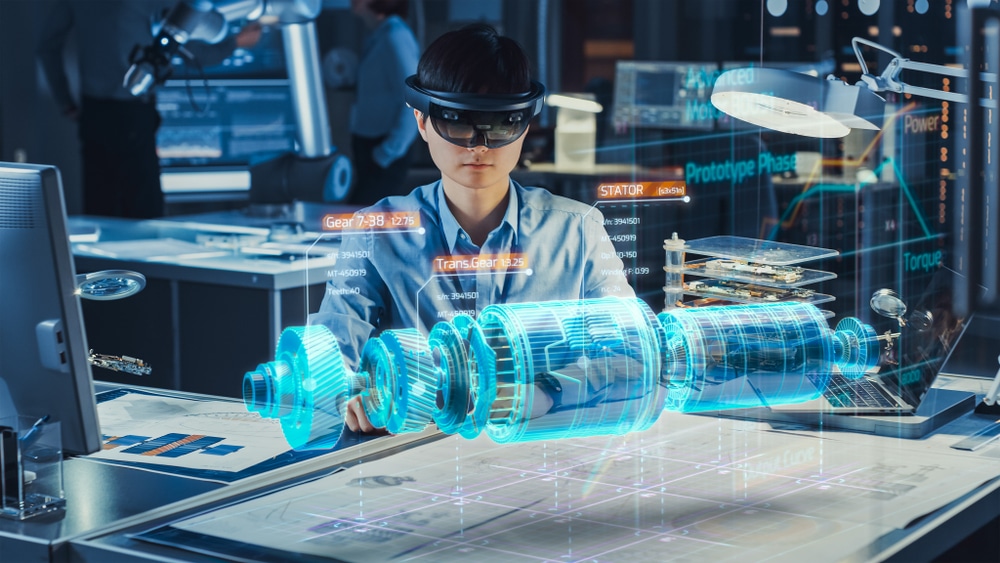
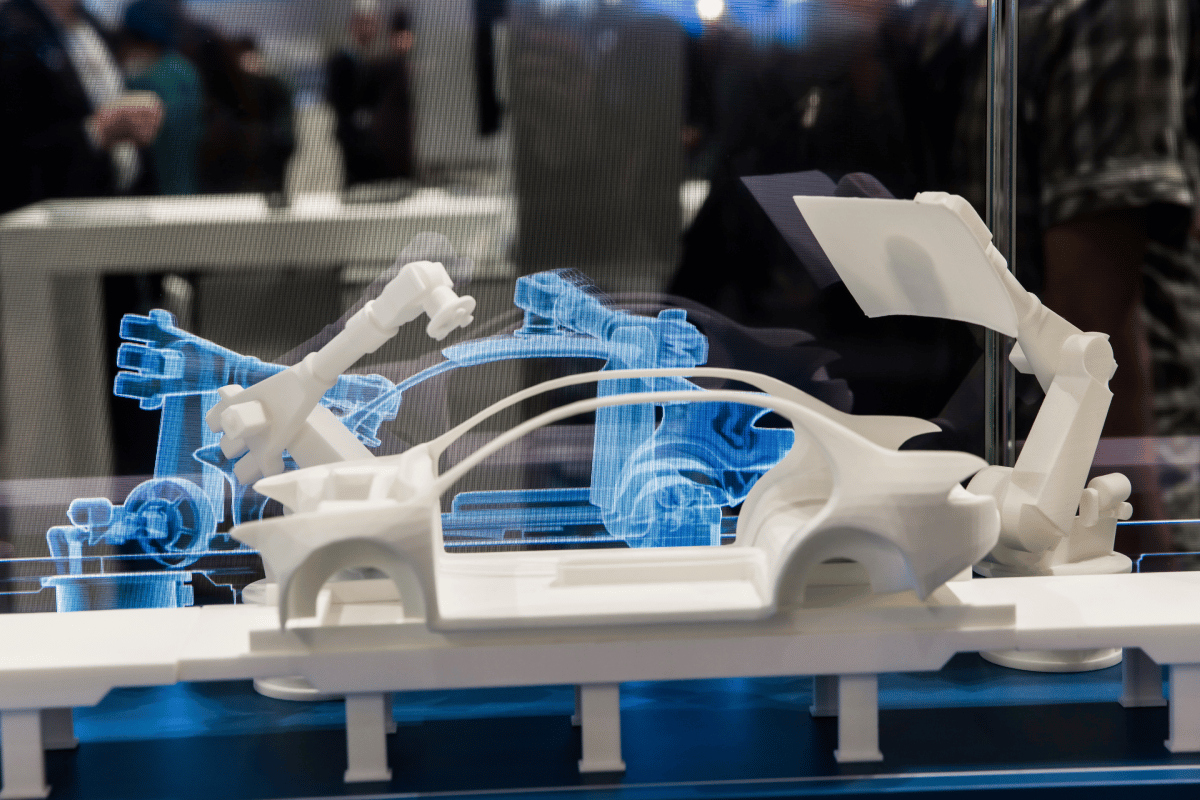
While some use the terms ‘virtual prototypes’ and ‘digital twin’ interchangeably, there are significant differences between the two.
A virtual prototype is a digital representation of a product, service, process or organization that has not yet been implemented in reality. While the virtual prototype can be extremely detailed and intelligent with the ability to model behavior under various conditions and stimuli, it is only when there is a physical instantiation of the virtual prototype, meaning a real-world representation, that it becomes a Digital Twin.
This may seem obvious to many, but the differences between the two are not simply the difference between virtual and physical. The value extracted from each also differs greatly. For a Digital Twin to provide value, it must provide an exact virtual representation of a specific physical entity where the evolution of both the physical and virtual representations occur simultaneously. In other words, as the physical entity ages, adapts or is influenced by external stimuli, this must be reflected in the Digital Twin.
Because the Digital Twin and its physical counterpart have a shared lifecycle and evolution, the Digital Twin can be used for analysis with the knowledge that it fully reflects the behavior and current status of the physical counterpart. Operations that in the past might have required a visit by technicians in the field, such as examining a physical product or system, can now be performed on the Digital Twin. Production lines can be analyzed using the Digital Twin without the need to take the physical production line out of operation.